DISCLAIMER
The material on this website is provided to the general public and is for informational purposes only. Information contained herein does not reflect the opinion of Paley & Prehn, PLC and should not be relied upon as legal advice. You should consult an attorney for advice regarding your individual situation. Contacting us does not create an attorney-client relationship. Should you wish to hire an attorney at Paley & Prehn, PLC to represent you, you must first sign an agreement for legal services.
As we move into 2024, the IRS has once again released its annual “Dirty Dozen” list. Among this list of the most dangerous tax scams out there are fake charities.
One of the Largest Charity Fraud Cases in U.S. History
In 2015, the Federal Trade Commission (FTC), along with the attorneys general from all 50 states and the District of Columbia, filed a lawsuit against the Reynolds Family’s cancer charities, accusing them of defrauding donors of approximately $187 million over five years.
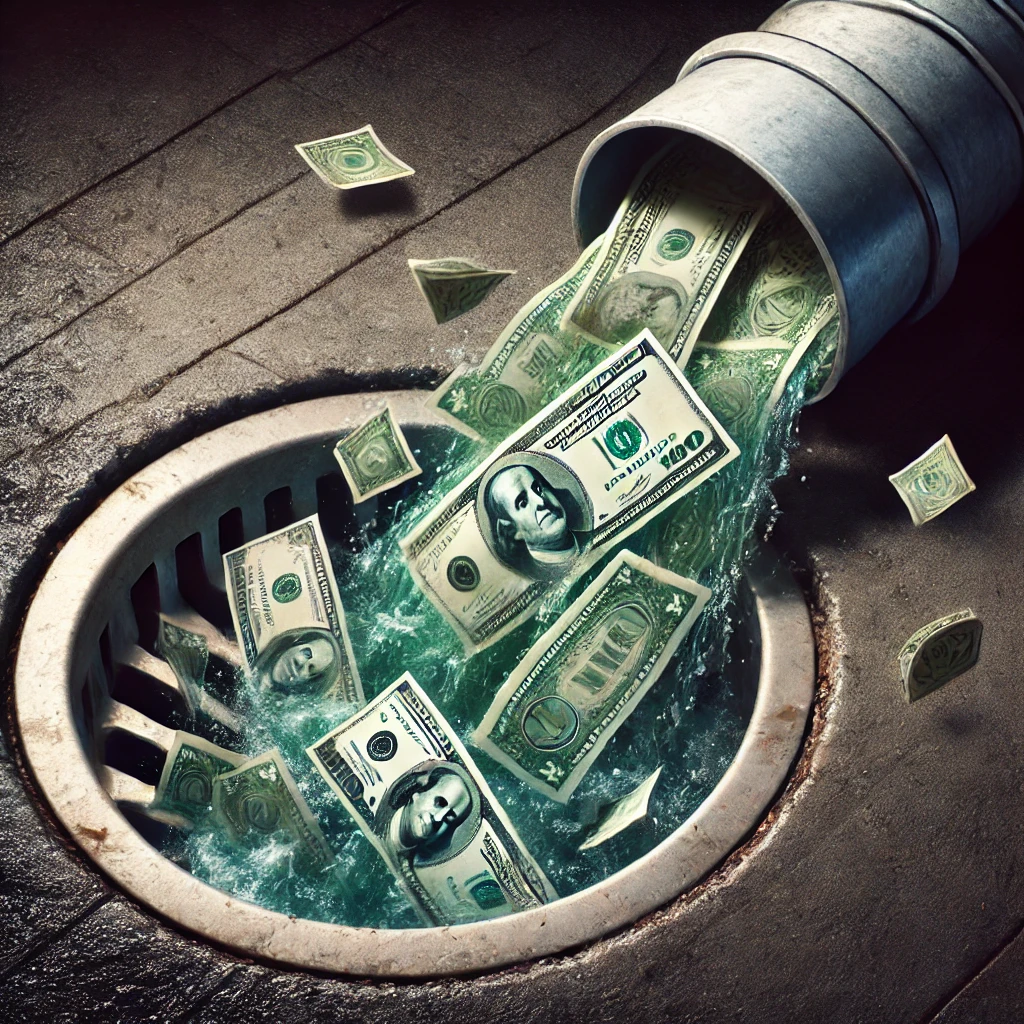
These charities—Cancer Fund of America, Cancer Support Services, Children’s Cancer Fund of America, The Breast Cancer Society—claimed to raise money for cancer patients when in fact, the beneficiaries received less than 3 cents for every dollar donated. With the rest of the donated funds, James T. Reynolds’ friends and family paid themselves exorbitant salaries and management fees. They purchased luxury items, paid college tuitions and funded family trips to Disneyland.
The lawsuit resulted in the complete disbanding of these organizations and lifetime bans on James T. Reynolds Sr., James Reynolds II, and other accomplices from running charitable organizations or engaging in charitable fundraising activities.
What Are the Consequences of Donating to Fake Charities and Fraudulent Organizations?
When funds donated to help people are instead used by greedy individuals, it’s not just the intended beneficiaries who suffer. Donors who believe their money is going to a good cause are also affected:
Donating to a fraudulent organization not only wastes your money but can also lead to serious tax consequences.
Fake Charities Are a Persistent Problem
Fake charities have been a recurring item on the IRS “Dirty Dozen” list for many years. Here are some warnings given in the past:
2023 – Fake charities exploiting natural disasters and humanitarian crises.
2021 – Scammers preying on the public’s desire to help those in need during the COVID-19 pandemic.
2019 – Fraudulent organizations springing up in response to disaster relief efforts.
2017 – Scammers targeting those affected by hurricanes and other natural disasters.
2015 – The IRS urged donors to exercise caution, informing them that scammers are known to spread misinformation during times of increased charitable giving (like after natural disasters) to take advantage of public goodwill.
2013 – Fake charities set up after disasters to exploit generous donors.
How Fake Charities Work
Not every case is like the Reynolds Family scandal (whose charities were all registered 501(c)(3) organizations). There are also many “charities” that are fake on paper.
The playbook for fake charities is alarmingly simple: A “charity” suddenly appears, usually following a disaster or crisis, and taps into the public’s desire to help. They know people are more likely to donate if they feel an emotional connection to the cause. These scammers send out emails, make phone calls, and before you know it, your well-intentioned donation is funding someone’s luxury lifestyle instead of helping those in need.
Why People Fall for It
Humans are inherently emotional creatures, often driven by empathy. When we see suffering or hear a compelling story, our instinct is to help. Scammers know this all too well. They craft their pitches to exploit these emotions, using heart-wrenching imagery and stories designed to elicit immediate action. The urge to do something meaningful can cloud people’s judgment and make them less likely to verify the legitimacy of the charity. Scammers count on the fact that many people will donate first and ask questions later—if they ask questions at all.
What are the Tax Implications of Donating to a Fake Charity?
While your generosity is admirable, the IRS has little sympathy for those who donate to fake charities. If you claim a deduction for a donation to a fraudulent organization, the IRS will not only disallow it but may also impose penalties and interest. And if the IRS suspects you knowingly donated to a fake charity, you could be subject to additional scrutiny.
A Word of Caution
Before you donate, take a moment to research the charity. Make sure it’s a legitimate, effective organization that will use your donation as intended. Protect yourself from scams, and ensure your generosity truly makes a difference.
How Paley & Prehn Can Help You
If you’re concerned about your donations or need guidance on charitable giving, our law firm is here to help. Don’t let your good intentions lead to bad consequences—consult with us to ensure your charitable donations are both impactful and tax compliant.